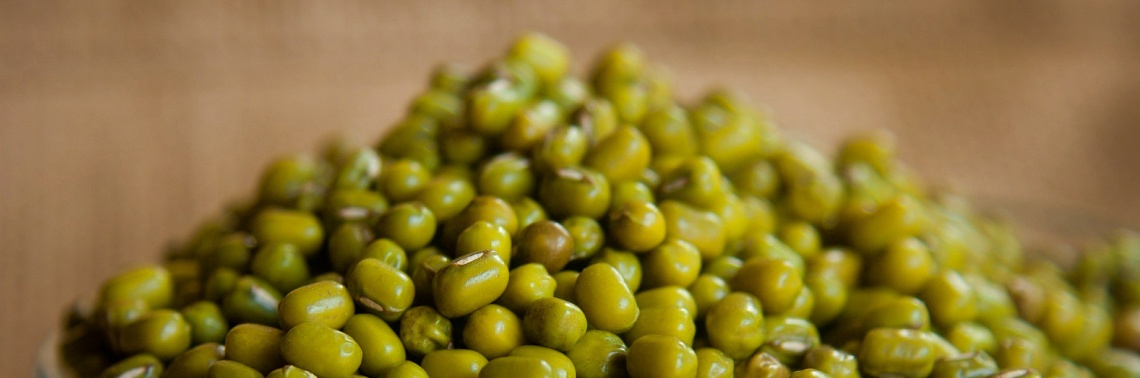
Nutritionists, researchers, and consumers always talk about the benefits of kale, avocados, nuts, and spinach. But what about beans? Mung beans, in particular, have nutritional and medicinal benefits pivotal in maintaining excellent health. In fact, the underrated superfood may:
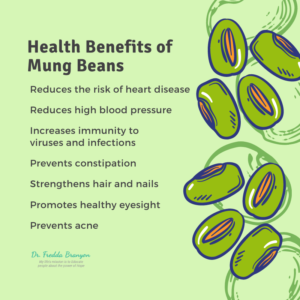
Reduce the risk of heart disease
Reduce high blood pressure
Increase immunity to virus and infections
Prevent constipation
Prevent acne
Promote healthy eyesight
Strengthen hair and nails
And several more!
Mung beans are an outstanding dietary source of folate and gallic acid, and also contains fiber, B vitamins, iron, magnesium, and manganese. This superfood has been shown to possess anti-inflammatory, topical anti-inflammatory, antiproliferative, hepatoprotective, antifungal, antibacterial, antimicrobial, diuretic, hypoglycemic, and antioxidant properties. Its flavonoid content, including vitexin and isovitexin, is said to manage some of the antioxidant and topical anti-inflammatory properties of mung beans, while protease inhibitor mungoin may be responsible for some of the profound antifungal and antibacterial activities of mung beans.
And as if it didn’t offer enough benefits, mung beans may also reduce your risk of certain cancers.
How Beans Can Reduce Your Cancer Risk
In a study comprising 66 plants and vegetables commonly consumed in Japan, boiled extracts of legumes, including mung beans, were among the top food groups found to have the greatest anti-tumor-promotion and radical-scavenging activities. Consumption of mung bean pancake was shown to reduce the risk of stomach cancer in a Korean study. Another study about the estrogenic effects of various legumes found that mung beans did not increase the growth of human breast cancer cells.
Reap More Benefits: Sprout Your Beans
Beans and legumes are already full of nutrition, but when sprouted:
1. You get more vitamin B content
Sprouting your beans will make sure that your body absorbs enough B vitamins, including B2, B5, and B6, all of which are vital building blocks of the body and helps keep you in good health.
2. Your body absorbs more nutrients
Phytic acid binds itself to essential minerals your body needs. It is also readily available in mung bean sprouts, something its seed version does not offer. Eating sprouts can also help your body absorb iron, magnesium, copper, calcium, and zinc with much ease.
3. You avoid intestinal gas or bloating
The soaking part of sprouting beans, which allows the seed to break out of its shell or outer coating, is crucial in helping turn some hard-to-digest protein into amino acids. Consuming bean sprouts reduces intestinal gas or bloating, which comes from eating beans when they have not been sprouted.
How to Prepare Mung Bean Sprouts
Mung beans and bean sprouts are versatile ingredients. You can quickly toss them in soups, salads, sandwiches, and several other dishes. They are not high in calories, nor are they high in carbohydrates. Their protein and fiber content will also keep you feeling full for more extended periods. Sprouting, in general, can yield up to 900% more nutrition than full-grown vegetables. As an additional example, even three-day germinated broccoli sprouts can contain up to 50 times the amount of phytonutrients as eating a mature broccoli spear. So eat your sprouts!
Many treatments fall under the umbrella of Complementary and Alternative Medicine or CAM. Some of the most commonly used CAM therapies include: Acupuncture Chiropractic Food counseling Herbalism Massa...
For many centuries, Thanksgiving has been considered a national holiday in the U.S. and Canada to celebrate the harvest and other blessings of the preceding year. The traditions behind it have evolved...
Polls in the United States and Europe revealed that half the population are more afraid of cancer than any other disease. Cancer is, after all, a life-altering event that can trigger a rollercoaster o...

 Nutritionists, researchers, and consumers always talk about the benefits of kale, avocados, nuts, and spinach. But what about beans? Mung beans, in particular, have nutritional and medicinal benefits pivotal in maintaining excellent health. In fact, the underrated superfood may: