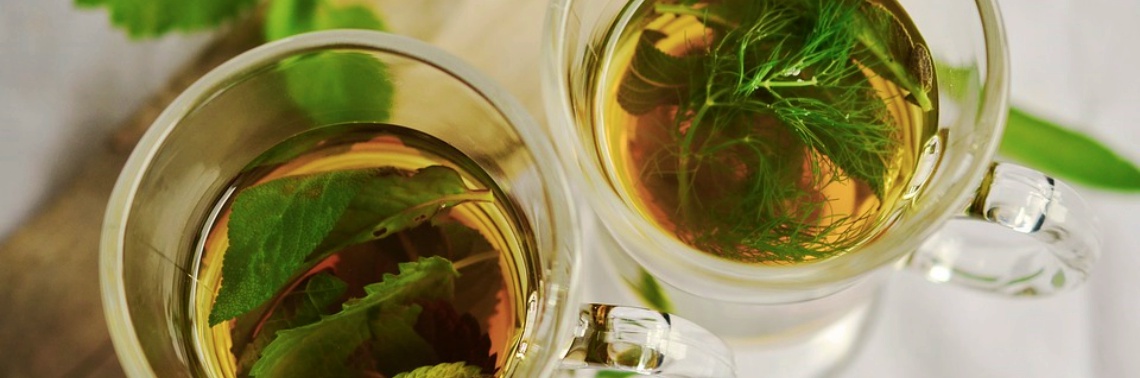
Herbs and Adaptogens: Echinacea, Astragalus, and Elderberry for Immune Health
Supporting the immune system naturally has been a focus in traditional medicine for centuries. Our ancestors have long valued herbs and adaptogens like echinacea, astragalus, and elderberry for their ability to help the body fend off infections, manage stress, and maintain overall health. Each of these botanicals strengthens the body’s defense mechanisms, making them valuable additions to a wellness routine.
What Are Adaptogens and How Do They Work?
Adaptogens are a unique class of herbs that help the body adapt to stress, balance physiological functions, and enhance resilience. Persistent (chronic) stress can weaken the immune system and make the body more vulnerable to diseases. Adaptogens work by regulating the body’s response to stressors, supporting adrenal function, and reducing inflammation, all of which are vital for maintaining a strong immune system. Herbs like astragalus and echinacea exhibit adaptogenic properties that contribute to their immune-boosting effects.
What Is Echinacea? The Immune System Activator
Echinacea is a flowering plant flourishing in North America. Its use in medicine has spanned several centuries. Often found in teas, tinctures, and supplements, it is best known for stimulating the immune system and helping the body fight off infections, particularly the common cold and flu.
How It Works
Echinacea contains compounds like alkamides, polysaccharides, and flavonoids that support immune function by:
Increasing white blood cell activity, which helps the body identify and combat pathogens.
Enhancing cytokine production, crucial for immune response regulation.
Possessing anti-inflammatory and antioxidant properties, which help reduce the severity and duration of illnesses.
How to Use It
Echinacea is most effective when taken at the first signs of illness. It can be consumed as a tea, liquid extract, or capsule. Studies suggest that it may help reduce the duration of colds by up to 1.5 days when used early.
What Is Astragalus? The Deep Immune Booster
Astragalus is a root popularly used in Traditional Chinese Medicine (TCM) to enhance longevity and strengthen immunity. Known for its adaptogenic properties, it enhances the body’s resistance to stress while fortifying the immune system against infections.
How It Works
Astragalus works by:
Boosting white blood cell production, helping the immune system detect and destroy unwanted invaders.
Enhancing interferon production, a protein that plays a role in antiviral defenses.
Providing anti-inflammatory and antioxidant benefits, which support overall immune function.
How to Use It
Astragalus is a preventive measure rather than a quick-fix remedy. People commonly consume it in teas, soups, tinctures, or capsules. Experts in herbal medicine say it is most beneficial when combined with other immune-supporting herbs like echinacea.
What Is Elderberry? The Antiviral Powerhouse
The Sambucus nigra plant produces elderberries, which people have used for centuries to treat colds, flu, and respiratory illnesses. These deep purple berries contain antioxidants that support immune health.
How It Works
Elderberry’s benefits stem from its high concentration of anthocyanins, which help:
Block viral replication, making it harder for viruses like influenza to take hold.
Reduce inflammation and mucus production, easing cold and flu symptoms.
Support overall immune health, thanks to its rich antioxidant content.
How to Use It
Elderberry is available as syrups, gummies, teas, and tinctures. Researchers suggest it canreduce the duration of flu symptoms by up to four days when taken early.
Additional Immune-Boosting Herbs
Keep your immune system going stronger with the following herbs and adaptogens:
Garlic
Garlic has natural antibacterial and antiviral properties due to its high allicin content. It supports immune function by stimulating the activity of white blood cells and reducing inflammation.
Ginger
Ginger contains gingerol, which has anti-inflammatory and antioxidant properties. It helps fight infections, soothe sore throats, and reduce congestion.
Turmeric
Curcumin, the active compound within turmeric, is a potent anti-inflammatory and antioxidant. It supports immune health by modulating immune cell activity and reducing oxidative stress.
Licorice Root
Licorice root balances immune function by enhancing natural killer cell activity and reducing inflammation. It also supports adrenal health, helping the body manage stress while maintaining immune resilience.
Rhodiola Rosea
Rhodiola improves immune function by reducing the adverse effects of stress, particularly on the body. It enhances endurance, fights fatigue, and helps regulate immune responses. It is most beneficial during periods of physical or mental strain.
Reishi Mushroom
Reishi contains beta-glucans and triterpenes that strengthen immune defenses while modulating inflammation. It boosts resistance to infections and manages overactive immune responses.
Cordyceps Mushroom
Cordyceps is a parasitic fungus that supports immune function by stimulating immune cell production and enhancing oxygen utilization in the body. This adaptogen also combats fatigue and strengthens overall resilience.
Ashwagandha
Ashwagandha strengthens immunity by lowering cortisol levels and reducing stress-related immune suppression. It also enhances white blood cell activity, which improves the body’s ability to combat and drive away infections.
Panax Ginseng
Panax ginseng boosts immune function by increasing the production of immune cells and supporting overall vitality. It helps the body acclimate to physical and mental stress while enhancing resistance to infections.
How to Maximize the Benefits of Immune-Boosting Herbs
Some best practices include:
Be consistent: Many adaptogenic herbs work best when taken regularly over time.
Choose high-quality sources: Opt for organic and properly sourced herbs to ensure potency and effectiveness.
Pair with a healthy lifestyle: A nutrient-dense diet, regular exercise, adequate sleep, and stress management will enhance the effects of these herbs.
Consult a professional: If you have an acute or chronic illness, suspect having a health issue, or take medications, check with a licensed healthcare provider before introducing herbal supplements to your body.
Final Thoughts
Herbs and adaptogens like echinacea, astragalus, elderberry, and others mentioned in this post offer you a natural way to strengthen your immunity against infections. With your healthcare provider’s guidance, you may use them as preventive measures, to aid recovery, or to support overall health. While they are not a replacement for medical treatment, incorporating them into a holistic wellness routine can help keep your immune system resilient year-round.
Many treatments fall under the umbrella of Complementary and Alternative Medicine or CAM. Some of the most commonly used CAM therapies include: Acupuncture Chiropractic Food counseling Herbalism Massa...
For many centuries, Thanksgiving has been considered a national holiday in the U.S. and Canada to celebrate the harvest and other blessings of the preceding year. The traditions behind it have evolved...
Polls in the United States and Europe revealed that half the population are more afraid of cancer than any other disease. Cancer is, after all, a life-altering event that can trigger a rollercoaster o...