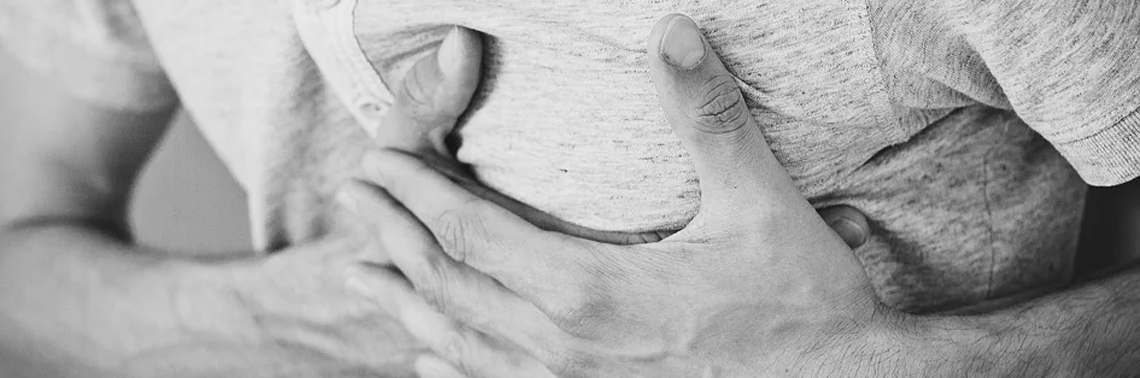
A very frightening diagnosis is being told you have hemothorax, or blood in the chest. Usually, most cases are caused by injury and are immediately dealt with. There are some other symptoms and causes that might help your doctor to identify and treat the hemothorax quickly.
Any traumatic injury to the chest, such as a puncture wound from a broken rib or a blunt force injury that might result from a car accident. Different symptoms might be experienced, depending upon the progression of the hemothorax. It may involve a physical exam and an imaging test to confirm and diagnose hemothorax.
Some facts of hemothorax are:
Hemothorax stems either from an extrapleural injury or an intrapleural injury.
An extrapleural injury is caused by damage to the chest wall tissues on the outside of the pleural space. An intrapleural injury is due to damage to the inside of the pleural cavity.
Hemothorax often occurs with pneumothorax, which is excess air in the pleural cavity.
Symptoms include chest pain and a rapid heart rate.
Treatment involves placing a catheter through the ribs to drains the blood and remove air.
With hemothorax, the blood collects in a space that is called the pleural cavity, located between the chest wall and the lung. Several things can cause this such as a traumatic injury that causes the membrane lining the chest or lungs to rupture. It then spills blood into the pleural space and has no way of being drained. Even a small injury can lead to hemothorax.
Other causes might be those with underlying conditions such as:
Lung infections, such as tuberculosis
Certain cancers, such as lung or pleural cancer
Pulmonary embolism, which is a blood clot in the lungs
Defects in blood clotting
Lung tissue dysfunction, such as pulmonary infarction
Tears in a blood vessel in the lungs may cause severe high blood pressure.
May because also by a medical procedure, such as placing a venous catheter or having heart surgery. It can rarely be spontaneous.
Some symptoms to help identify includes chest pain, especially when breathing, cold, pale or clammy skin, rapid heart rate, low blood pressure, tense, rapid or shallow breathing, difficulty breathing, feelings of restlessness and anxiety. Another sign might be with pneumothorax or other related disorders.
Hemothorax can be diagnosed through a physical exam and sounds of abnormal breathing, x-rays, CT scans or Ultrasound. You may also be asked for a sample of the pleural fluid for diagnosis. This is a serious condition that can be life-threatening if left untreated so immediate medical attention and diagnosis will give good outcomes with treatment. Anyone who has experienced a chest injury should get checked out for hemothorax. Recovery will depend on how well the person responds to treatment and how long it takes the blood to clear out of the pleural space.
Many treatments fall under the umbrella of Complementary and Alternative Medicine or CAM. Some of the most commonly used CAM therapies include: Acupuncture Chiropractic Food counseling Herbalism Massa...
For many centuries, Thanksgiving has been considered a national holiday in the U.S. and Canada to celebrate the harvest and other blessings of the preceding year. The traditions behind it have evolved...
Polls in the United States and Europe revealed that half the population are more afraid of cancer than any other disease. Cancer is, after all, a life-altering event that can trigger a rollercoaster o...