Typically cancer symptoms will vary from person to person and will depend upon the type of cancer, where it appears, its size and severity as well as how it affects the body.
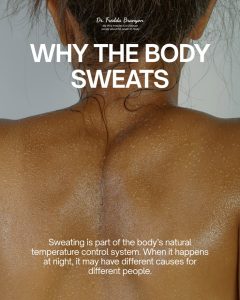
Lowering body temperature is the result and purpose of sweating. The heat escapes through the skin when the water and salt are released from the sweat glands. The sweat glands all over the body are controlled by nerve cells in the layer of the skin and not always visible, but the body constantly sweats. The amount of sweat that is produced depends on factors such as what you are doing, your emotional state and temperature. A sudden temporary feeling of warmth throughout the body that can lead to sweating is called a hot flash, and commonly linked to women during menopause and not normally a concern.
Night sweats and hot flashes can sometimes signal a medical problem and doctors will check for the underlying condition if it is not due to the menopausal state.
The hot flashes can be accompanied by:
Light or heavy sweating
Racing heart
Feelings of irritability
Excessive sweating in male and female cancer patients may be due to cancer treatment. In some cancers and cancer survivors, night sweats typically affect women but do also occur in men. Menopause affects women and can be due in part to natural, surgical or chemical causes.
Some treatment drugs that can also cause sweating and hot flashes are:
Aromatase inhibitors
Opioids
Tamoxifen
Tricyclic
Steroids
There can be medicines to treat night sweats but they can cause side effects such as:
Antidepressant may lead to nausea, drowsiness, dry mouth and changes in appetite
Anticonvulsants can cause drowsiness, dizziness and trouble concentrating
Clonidine has been linked to dry mouth, drowsiness, constipation and insomnia
Patients will respond differently to drug therapy treatment programs.
Hyperhidrosis is a condition that causes people to sweat excessively during the day or night and usually does not pose a big threat.
Other issues that can cause night sweats include:
Menopause
Infections
Low Blood Sugar
Hormone disorders
Neurological conditions such as stroke
Anxiety or stress
Alcohol or drug withdrawal or abuse
Medications can also cause night sweats as a simple aspirin. Night sweats are uncomfortable but are usually harmless. Drink lots of water to make up for the amount of fluid lost and to prevent dehydration. Just remember that sweats can be a sign of additional problems, so contact a doctor to work out the cause as well as a treatment plan, especially if the sweats are accompanied by rapid weight loss or gain, tiredness or breathing trouble. Seek immediate care if these indicators are present.
Many treatments fall under the umbrella of Complementary and Alternative Medicine or CAM. Some of the most commonly used CAM therapies include: Acupuncture Chiropractic Food counseling Herbalism Massa...
For many centuries, Thanksgiving has been considered a national holiday in the U.S. and Canada to celebrate the harvest and other blessings of the preceding year. The traditions behind it have evolved...
Polls in the United States and Europe revealed that half the population are more afraid of cancer than any other disease. Cancer is, after all, a life-altering event that can trigger a rollercoaster o...