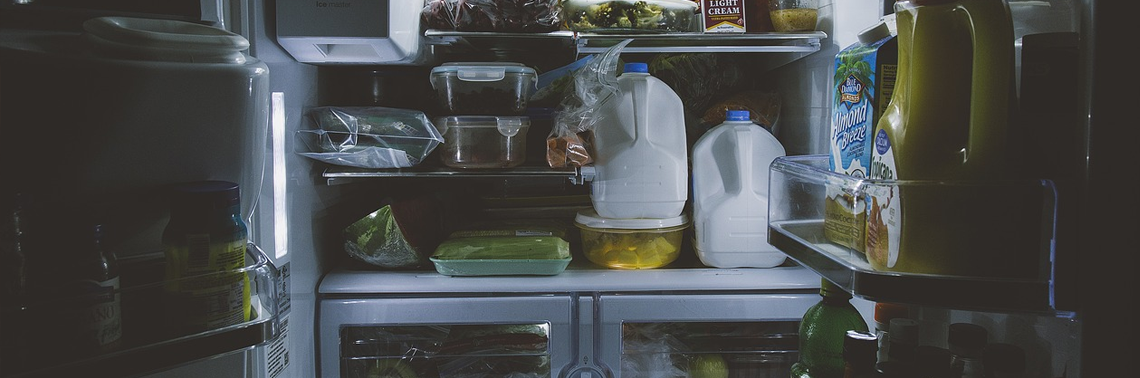
The 15th of November is National Clean Out Your Fridge Day. The annual event encourages everyone to clean their refrigerators in preparation for the holidays. Thanksgiving, Christmas, and other merry celebrations aside, this national day also serves as a reminder to maintain a germ-free refrigerator for health and safety reasons.
What Happens When You Eat Expired Food?
Spoiled food may contain high amounts of harmful bacteria, such as E. coli and Bacteroides. Eating expired food with bacterial contamination can cause abdominal pain, diarrhea, vomiting, and sometimes a fever. Further, some bacterial toxins can be life-threatening.
What Could Be Expired in Your Fridge Right Now?
A handful of refrigerated goods can pass their expiration date without looking weird or smelling odd. To avoid learning the hard way, check the dates on the following fridge staples before you take a bite.
1. Mayonnaise
The United States Department of Agriculture recommends using the contents of a mayonnaise jar within two months after opening and refrigerating it. If, however, your opened jar of mayo sits out on the counter for more than two hours at room temperature, discard it right away according to the Food and Drug Administration.
2. Lunch Meat
If you have mayonnaise in your fridge, the chances are high that you have pepperoni, baloney, or ham in there too. It is best to consume sandwich fixings within three to five days of purchase. If they feel slimy, smell almost like vinegar or yeast, and if there is mold on the meat or packaging — throw them out immediately.
3. Raw Chicken
Since chicken is a staple in most households, it is common to have a package of wings, breasts, or drumsticks in the fridge. Unfortunately, keeping it for longer than a week is like marinating the chicken in bacteria. The USDA Food Safety and Inspection Service asserts that you need to cook raw poultry within two days of purchase to prevent bacteria from growing.
If you are stocking up on raw chicken for holiday parties, keep them in the freezer instead. The shelf life of frozen, unthawed poultry may extend for several months.
4. Pasteurized and Organic Milk
If your grocery store has a surplus of milk, it is easy to grab a spoiled carton or one that is near its expiry. In general, milk does not last longer than a week. However, organic milk has a much longer shelf life than its mass-produced counterpart. Scientific American explains that regular pasteurization eliminates most bacteria, while the ultrahigh processing utilized for organic milk kills all of it.
5. Leftovers
Even if you store leftovers in air-tight containers, you should eat them within two to three days. Also, make sure any leftover food does not sit on the counter before refrigerating them. Bacteria multiply much faster between 40 and 140°F.
Participating in National Clean Out Your Fridge Day is not only a good way to keep your fridge organized, but it also prevents a sudden and expensive trip to the emergency room. If you don’t remember the last time you cleaned your fridge, now is the time to do it.
Many treatments fall under the umbrella of Complementary and Alternative Medicine or CAM. Some of the most commonly used CAM therapies include: Acupuncture Chiropractic Food counseling Herbalism Massa...
For many centuries, Thanksgiving has been considered a national holiday in the U.S. and Canada to celebrate the harvest and other blessings of the preceding year. The traditions behind it have evolved...
Polls in the United States and Europe revealed that half the population are more afraid of cancer than any other disease. Cancer is, after all, a life-altering event that can trigger a rollercoaster o...